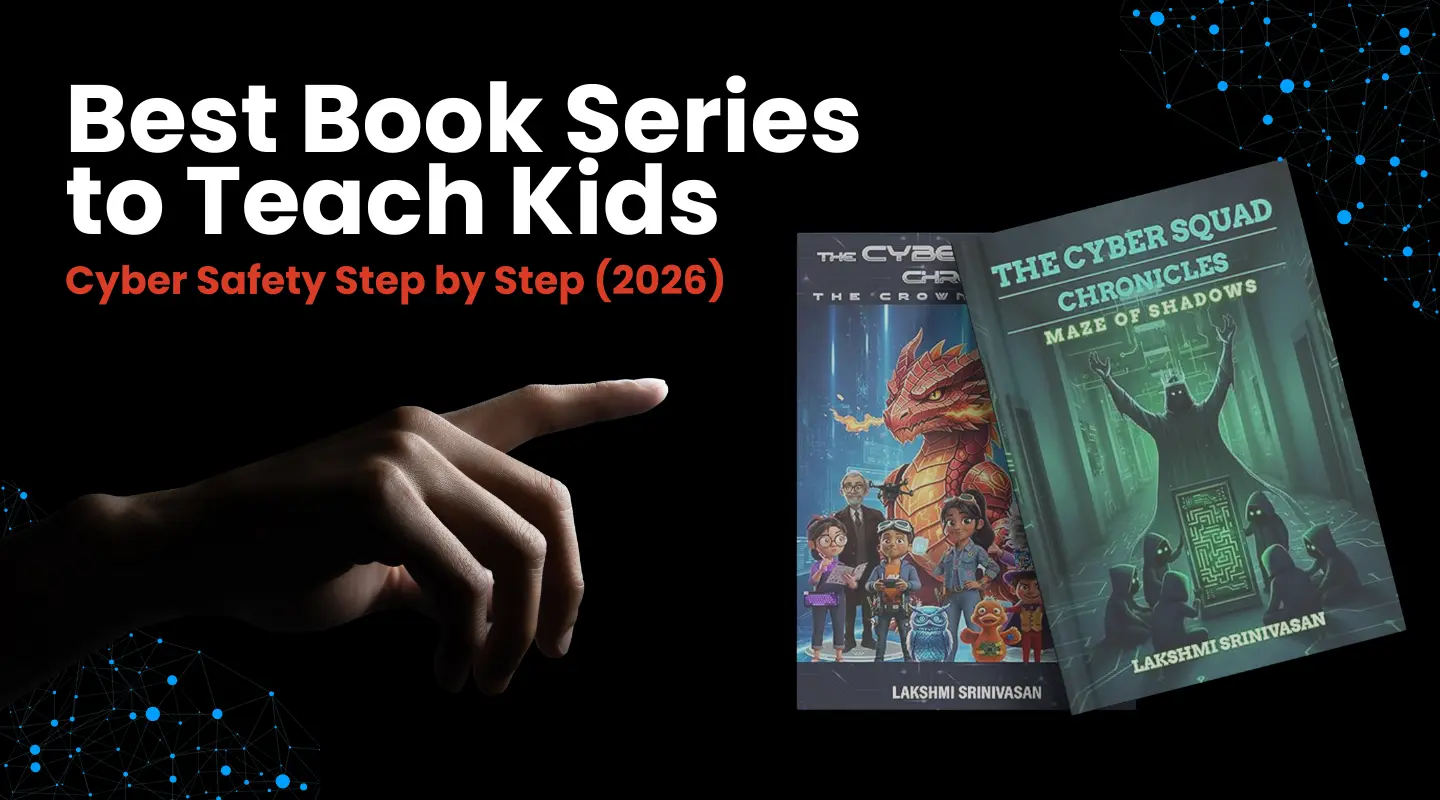
One book teaches a lesson, but a series builds a mindset. This is the fundamental truth that parents and educators must embrace as we navigate the increasingly complex digital world of 2026. While a standalone story can introduce the concept of a stranger or a password, it is the journey through a multi-part series that allows a child to bond with characters, experience a progression of risks, and eventually internalize digital safety as a core part of their identity.
The internet is not a static environment, and the threats our children face today are significantly more sophisticated than they were even two years ago. From deepfakes to AI-driven social engineering, the modern web requires a step-by-step educational approach that grows alongside the reader. By diversifying your child’s digital library with different voices and age-appropriate series, you can ensure they are protected from every angle.
Our top pick for the best middle-grade series is already available on Amazon →
Why a Diverse Digital Library Matters for Kids
No single series can cover every aspect of the internet for every age group. A preschooler needs a different narrative than a middle-schooler, and a child struggling with screen time needs a different focus than one dealing with phishing scams. By utilizing a diverse range of top-rated books, you provide your child with a “360-degree” view of cyber safety.
When we layer stories from different authors, we reinforce the same core messages through different metaphors. One series might use a wise owl to teach critical thinking, while another uses a farmyard setting to illustrate privacy. This repetition across different contexts is what transforms a “rule” into an “instinct.” In this guide, we have curated the absolute best series available in 2026, categorized by their specific strengths and target age groups.
1. The Cyber Squad Chronicles by Lakshmi Srinivasan
Best Overall for Ages 8–12: The Adventure-Driven Approach
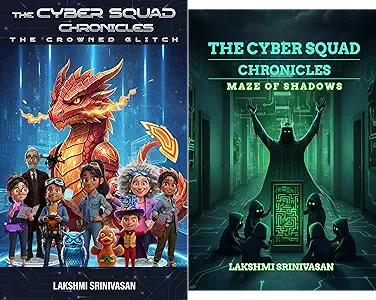
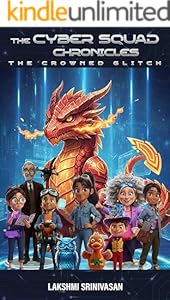
For readers in the “sweet spot” of eight to twelve years old, The Cyber Squad Chronicles stands out as the most comprehensive and technically grounded series available. Written by a cybersecurity executive, these books bridge the gap between high-stakes mystery and practical safety habits. The series follows Isha and her tech-savvy friends at Orion Academy as they tackle digital threats that are woven directly into the plot.
In the first book, The Crowned Glitch, the focus is on “hard” security skills such as recognizing phishing, avoiding malicious pop-ups, and understanding how fake online identities operate. The second book, Maze of Shadows, pivots toward the “soft” skills of digital citizenship, covering viral rumors, online reputation, and the importance of privacy. With mentors like Pixel the Owl for wisdom and Blaze the Firewall Dragon for protection, this series is the gold standard for turning complex technical concepts into an adventure that kids actually want to finish.
Get the Cyber Squad Series Bundle on Amazon →
2. Webster the Spider Series by Hannah Shaw
Best for Ages 5–8: The Early Digital Manners Approach
For younger children who are just beginning to navigate family tablets and educational apps, the Webster the Spider series is an essential resource. Published by Bloomsbury Education, these stories follow a young spider named Webster who discovers that the World Wide Web is a much bigger place than he originally thought. Hannah Shaw uses the spiderweb metaphor brilliantly to explain how things move and spread online.
Titles like Webster’s Email and Webster’s Manners focus heavily on the social-emotional side of the internet. They teach children about the permanence of what they send and the importance of being polite in digital spaces. Because the tone is whimsical and the illustrations are engaging, it serves as a perfect “pre-quel” to more complex series.


3. The Digital Citizenship Collection by Julia Cook
Best for Habit-Building: The Behavioral Approach
Julia Cook is a powerhouse in the world of school counseling, and her collection of books on digital safety is unparalleled for teaching specific behavioral habits. These titles are standard in elementary schools across the United States and are known for their clear, actionable lessons.
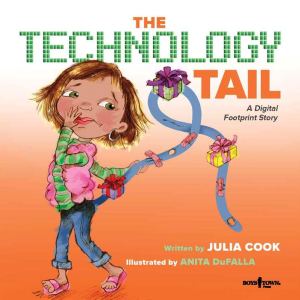
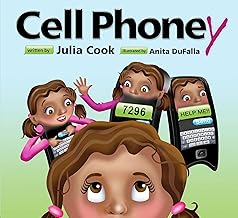
The most famous title in this collection, The Technology Tail, provides a visual and unforgettable metaphor for a digital footprint. It shows children that everything they do online follows them like a tail that grows and changes based on their actions. Other titles like Cell Phoney address phone etiquette and the responsibility of device ownership with a level of psychological depth that few other authors achieve.
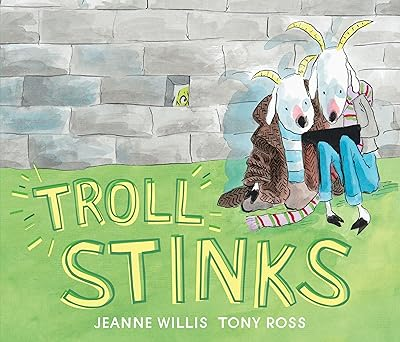
4. Online Safety Picture Books by Jeanne Willis and Tony Ross
Best for Preschool & Kindergarten: The Metaphorical Approach
For the very youngest digital citizens, the creative team of Jeanne Willis and Tony Ross has produced some of the most enduring stories in the niche. This series, published by Andersen Press, uses classic farmyard characters to mirror modern online dilemmas.
Chicken Clicking is particularly effective at showing how curiosity can lead a child into “dark alleys” online if they aren’t careful. By using animals instead of humans, these books allow young children to process safety concepts without feeling lectured or frightened. They are excellent conversation starters for parents who want to introduce the concept of “stranger danger” in a digital context.
5. Once Upon a Time… Online by David Bedford
Best for Fairy Tale Safety: The Humorous Approach
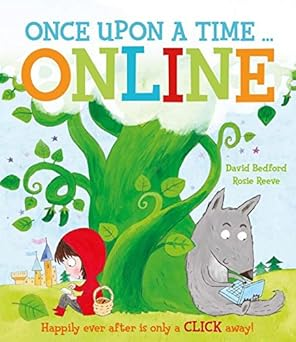
David Bedford’s digital safety books are widely recognized for their clever use of familiar stories to teach modern lessons. In Once Upon a Time… Online, classic fairy tale characters like Jack and the Beanstalk and Cinderella get their hands on a laptop with disastrously funny results.
The book covers shopping without permission, clicking on mysterious links, and the importance of parental supervision. It is a fantastic companion to the Jeanne Willis books, offering a slightly more humorous take on the consequences of ungoverned internet use. It serves as a bridge for children moving from picture books into early chapter books.
How to Mix and Match for a Step-by-Step Curriculum
To provide your child with a complete digital education, you can layer these series based on their developmental stage. A typical “reading roadmap” might look like this:
- Ages 4–6: Start with the Willis and Ross picture books and Once Upon a Time… Online to build a basic emotional understanding of safe and unsafe spaces.
- Ages 6–8: Move into the Webster the Spider series and Julia Cook’s books to establish strong manners and a vivid awareness of the “digital footprint.”
- Ages 8–12: Anchor their learning with The Cyber Squad Chronicles to provide the technical resilience and critical thinking skills needed for independent internet use.
- Ages 10+: Review the Julia Cook titles on social pressure and use the Cyber Squad’s later missions to discuss complex privacy and reputation management.
Best Series by Specific Learning Goal
| Learning Goal | Primary Series Recommendation |
| Understanding Phishing & Scams | The Cyber Squad Chronicles |
| Digital Footprint & Reputation | The Digital Citizenship Collection (Julia Cook) |
| Social Media Manners & Email | Webster the Spider Series (Hannah Shaw) |
| Stranger Safety for Beginners | Online Safety Picture Books (Jeanne Willis) |
| Cyberbullying & Digital Kindness | The Cyber Squad Chronicles / Julia Cook |
Start Your Collection With The Cyber Squad Chronicles
The digital world does not wait for our children to be ready, but we can give them the tools to navigate it with confidence. By building a diverse library that includes the best voices in the field, you are raising a child who is not just safe, but “tech-smart.”
If your child is in the middle-grade range, there is no better place to start than with the adventures of Isha and the squad. You can get both books in the series for $13.98 on Kindle, or read them for free if you are a Kindle Unlimited subscriber.